
Faculty Q&A
The Camp, Journey, and Land of Israel
⬩
Michael Morales surveys Israel’s camp, wilderness journey, and entry into the promised land — a biblical-historical and geographical overview.

Michael Morales surveys Israel’s camp, wilderness journey, and entry into the promised land — a biblical-historical and geographical overview.


In this episode we explore the life and ministry of Benjamin Morgan Palmer, a leading 19th-century Southern Presbyterian.
Grounded in Reformed theology and the promises of Romans 11, Palmer combined unwavering commitment to Christ with sincere compassion for the Jewish people. Through his writings, pastoral care in times of epidemic, and public solidarity with suffering Jews, he modeled faithful gospel witness joined with genuine love.
A compelling example of conviction and charity held together in Christian service.

In this article, David Barry discusses the importance of stewarding our time in devotion to God for His glory.

Confessional Presbyterian
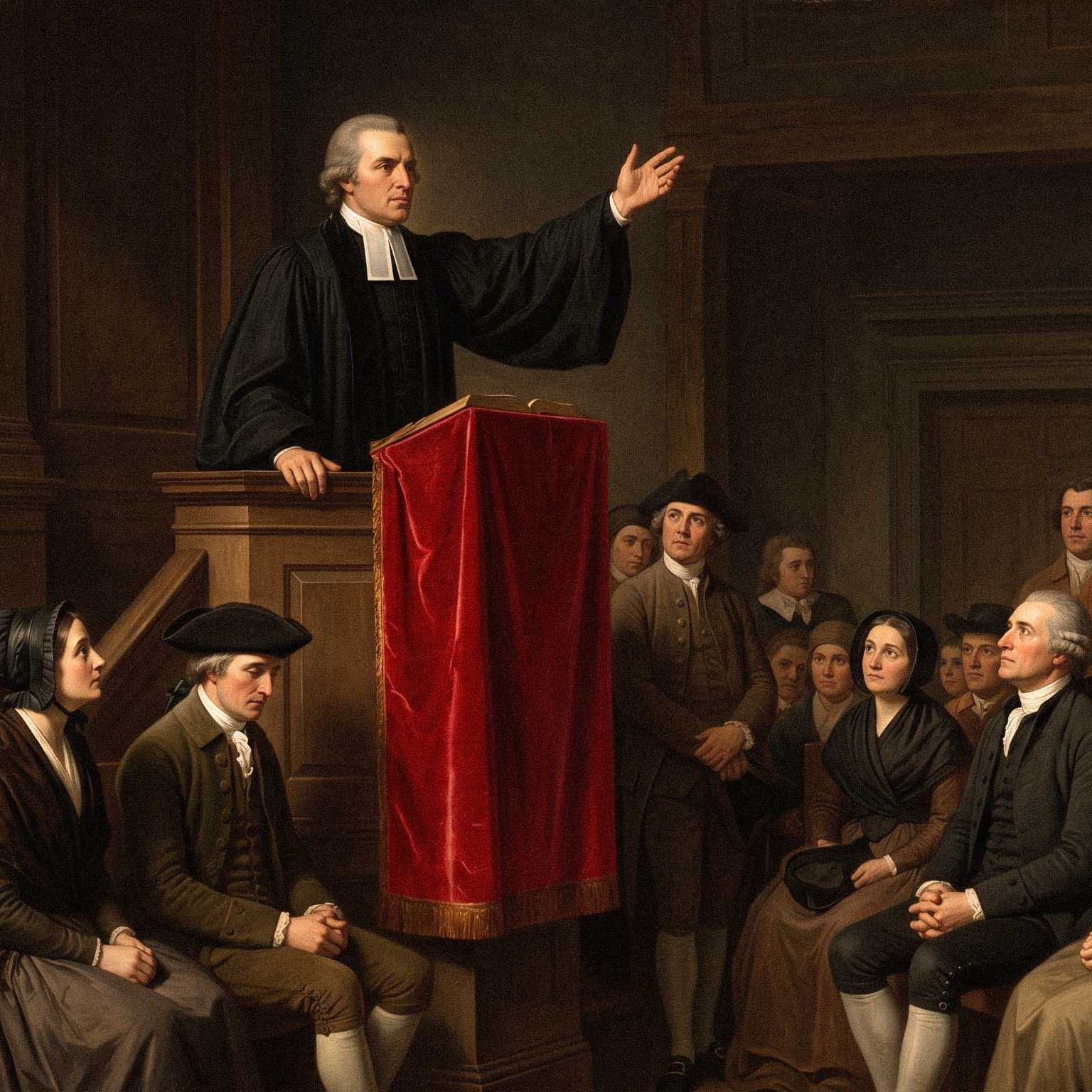
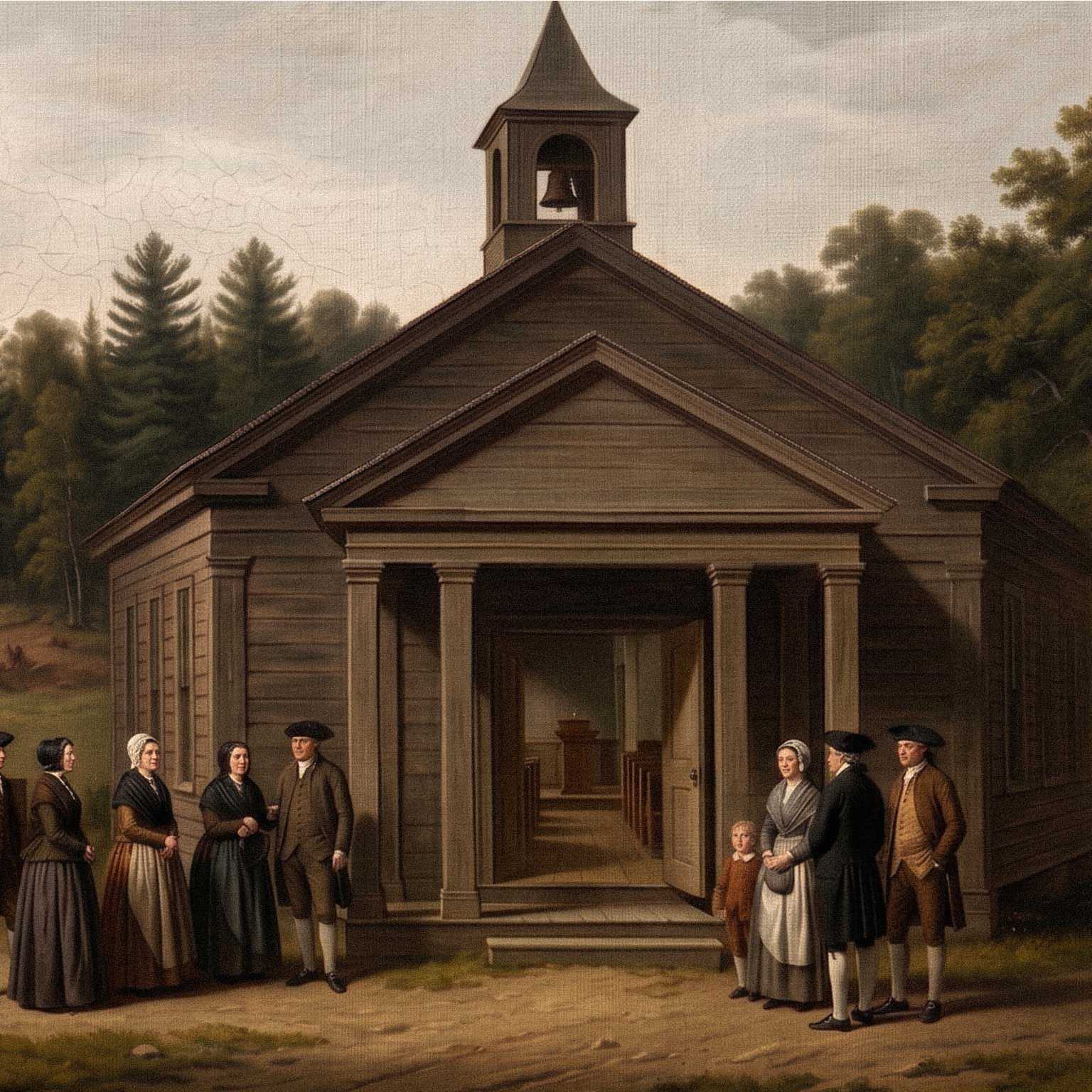


In this article, Ethan Bolyard explores the biblical and Reformed doctrine of infant salvation, arguing that God ordinarily saves the children of believers in their youth, even from infancy.

In this article, Ben Dunson encourages Christians to set their minds on everything that is lovely, commendable, excellent, and worthy because all such things are reflections of the God who made them.

In this article, Ben Dunson argues that the PCA’s rejection of female deacon ordination, together with recent constitutional actions, effectively prohibits the use of titles such as “deaconess” and other forms of functional female officers.

Our King courageously faced His own death, conquered it in resurrection glory, and sent His Spirit into our hearts, so that we too may valiantly fight the good fight.

All Christians are to communicate the gospel in a way that is wise, gracious, and “seasoned with salt,” appropriate for each person.

The role of women in the church is one of the defining pressure points facing the church today. Feminism has made deeper inroads into evangelicalism than many realize, intensifying pressure to conform to the spirit of the age. In this article, Ben Dunson addresses three key errors driving today’s confusion before offering a positive biblical vision for the service of women in the church.

In this episode we explore the life and ministry of Benjamin Morgan Palmer, a leading 19th-century Southern Presbyterian.
Grounded in Reformed theology and the promises of Romans 11, Palmer combined unwavering commitment to Christ with sincere compassion for the Jewish people. Through his writings, pastoral care in times of epidemic, and public solidarity with suffering Jews, he modeled faithful gospel witness joined with genuine love.
A compelling example of conviction and charity held together in Christian service.

In this episode, we explore William B. Sprague’s 1827 sermon on the meaning of American independence. Delivered on the Fourth of July, Sprague calls Christians to celebrate the day with gratitude, reverence, and a clear recognition of God's providence in the nation’s founding.
A timely reflection on liberty, remembrance, and the faithful stewardship of freedom.

In this episode, we explore John Witherspoon’s famous sermon, The Dominion of Providence Over the Passions of Men. Preached in 1776 amid the growing struggle for American independence, Witherspoon reflects on God’s sovereign rule over human affairs, showing how even conflict, suffering, and the ambitions of men ultimately serve His purposes. Along the way, he calls Christians to trust God’s providence, pursue personal holiness, and labor faithfully for the good of both church and nation.

In this episode, we explore the life of Louisa A. Lowrie—a young missionary wife whose brief but radiant faith burned brightly for Christ. Through her own journals and letters, we see a woman of deep devotion, tender conscience, and unwavering surrender who gave everything to the cause of the gospel, even unto death.

In this episode of the Dead Presbyterians Podcast, we explore J.J. Janeway’s classic work Meditations on the Lord’s Supper. Drawing from Scripture and the Westminster Larger Catechism, Janeway guides believers in reverent self-examination, joyful communion with Christ, and renewed obedience after coming to the Table. A rich, pastoral resource for anyone seeking to approach the Lord’s Supper with greater faith and devotion.

Francis J. Grimké believed the preacher's task was simple: faithfully proclaim the Word of God in dependence upon the Spirit of God. In this episode of the Dead Presbyterians Society, we explore Grimké's remarkable life and enduring reflections on preaching, pastoral faithfulness, and the power of the Holy Spirit at work through the ministry of the Word.
Timeless guidance for the care of souls, drawn from the rich heritage of reformed ministry


In this message, Ian Hamilton reflects on the life of missionary William Chalmers Burns, whose wholehearted devotion to Christ carried him from Scotland to China with a passion to see the people of China turn to faith in the gospel. Hamilton emphasizes that true discipleship means surrendering everything to Christ, embracing the cost of the cross, and living with a deep commitment to the church’s calling to bring the gospel to the nations.
In this message, Hensworth Jonas presents Christ as the divine Bridegroom whose covenant love is the true source of the church’s power. Preaching from Matthew 9, he explains that the church finds her identity, joy, beauty, and security in union with Christ, who faithfully loves, sanctifies, and preserves his bride. Jonas urges believers to reject cultural compromise and devote themselves wholly to the Lord of the church.
In this conference message, Jim McCarthy explains that Christians are called to be faithful citizens both of heaven and of earthly nations. Preaching from Mark 12, he argues that believers should render to civil authorities lawful submission, honor, and prayer while ultimately giving themselves wholly to God, whose image they bear and whose Son has redeemed them by His blood.
In this message, Jonathan Master explains that the church’s mission is clearly defined by Christ in the Great Commission: to make disciples of all nations through evangelism, baptism, and teaching. In light of Christ’s absolute authority and abiding presence, churches must not lose sight of this central calling amid modern distractions, but remain focused on proclaiming the gospel and planting faithful, disciple-making churches throughout the world.
In this message, Andy Young presents baptism as a God-given means of encouragement that directs believers away from self-reliance and toward the finished work of Christ. Young emphasizes that baptism visibly proclaims God’s grace, unites believers, and marks their identity in Christ as a sign and seal of his promises—pointing them to forgiveness, new life, and assurance grounded in God’s covenant faithfulness.
In this conference message, David Irving reflects on the life and ministry of Cornelius W. Grafton, a Mississippi Presbyterian pastor who faithfully served two rural churches for 61 years. Highlighting Grafton’s doctrinal preaching, pastoral care, courage, and humility, Irving encourages believers to pursue quiet, lifelong faithfulness—not for personal recognition, but for the glory of Christ and the good of His church.

Our training program is extensive, with years of study in Greek and Hebrew, as well as in the context, content, and preaching of Scripture.